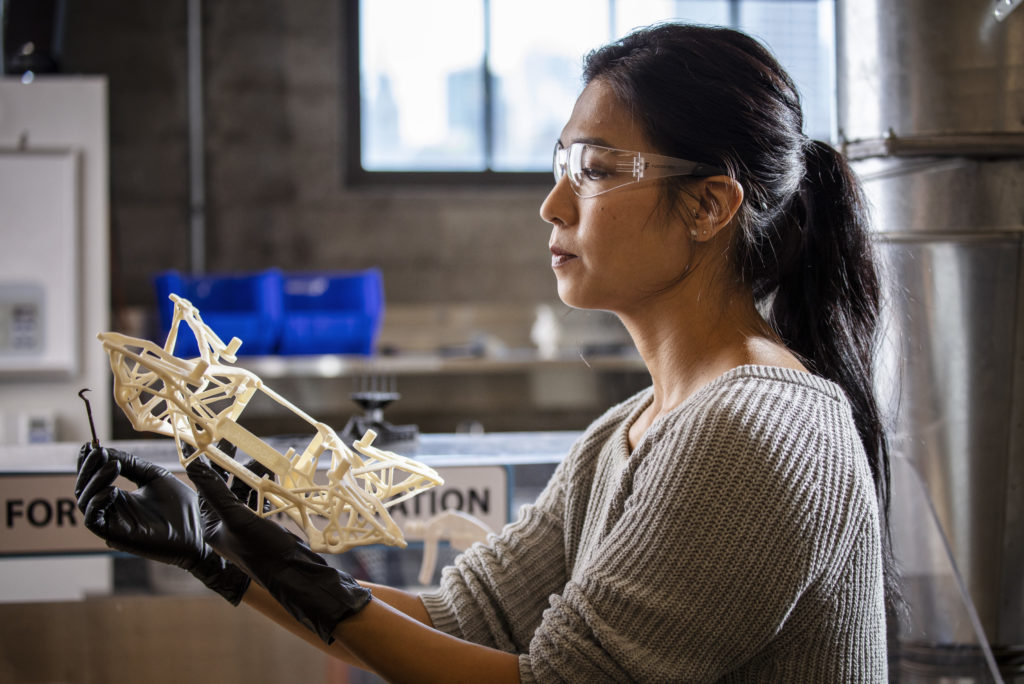
In science and engineering, speed matters. The ability to move quickly from an idea to a physical prototype can determine whether a project advances, secures funding, or reaches the market. For many women engineers, researchers, and innovators, 3D printing has become a powerful tool for accelerating that journey.
By removing traditional manufacturing barriers, 3D printing enables faster iteration, lower costs, and greater creative freedom—especially when paired with professional 3D printing services.
Traditional manufacturing often requires long lead times, tooling costs, and large minimum order quantities. In contrast, 3D printing allows engineers to turn digital designs into physical parts in days—or even hours.
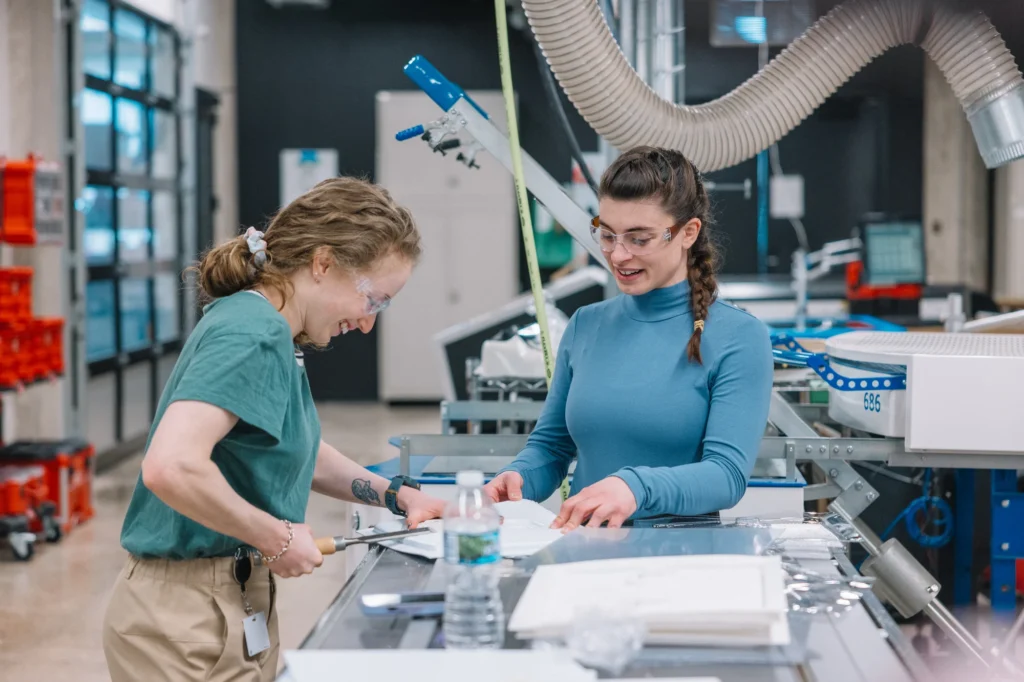
A typical workflow looks like this:
This iterative loop allows women engineers to validate ideas early and often—without the delays associated with conventional manufacturing.
While desktop printers are becoming more common, professional 3D printing services offer critical advantages, especially for engineers working on advanced or time-sensitive projects.
Not every project—or organization—has access to industrial-grade equipment. Outsourcing prototypes removes the need to purchase, maintain, or operate specialized machines.
Service bureaus can provide materials that are difficult or impractical to run in-house, such as:
Experienced technicians can flag design issues, recommend better materials, and optimize print orientation—saving time and avoiding failed prints.
For women working in engineering and applied sciences, 3D printing levels the playing field by emphasizing ideas, design skill, and problem-solving over access to large manufacturing infrastructure.
This is especially impactful in:
By shortening development cycles, 3D printing helps women engineers focus on innovation rather than logistics.
A physical prototype communicates ideas in ways drawings and simulations cannot. It enables:
Whether it’s a lab fixture, functional enclosure, mechanical assembly, or consumer product, 3D printing transforms concepts into proof—quickly and efficiently.
As additive manufacturing continues to evolve, its role in supporting diversity and inclusion in engineering becomes increasingly clear. Accessible 3D printing services help ensure that great ideas aren’t limited by access to equipment or manufacturing scale.
The future of engineering isn’t just faster—it’s more inclusive, collaborative, and innovative. And 3D printing is helping make that future a reality.